Showing posts with label food. Show all posts

Friday, 28 June 2019

Beating Brown Bag Boredom


Image result for sad brown bag lunch
One of the biggest costs of working in an office can be lunches - a 'low cost' takeaway can be $10 a day, whereas a fancier lunch can run up to $30.. plus drinks. For office workers going out to lunch every day can cost up to $100 a week.

Bringing lunch from home (Brown Bagging) is an easy way to bring the costs down, but after a while ham and cheese sandwiches get really boring. While it can be tempting to go out for some variety, it's easy to change up the basics to keep things interesting, and on budget.

Satisfying sandwiches

In summer my sandwiches are ham, cheese, tomato and cucumber. In winter it's ham, cheese and tomato on the grill. While the staples are delicious the same thing week in and week out can get dull. 

Whenever I ask google for some new ideas the suggestions are extremely costly and elaborate. Instead, there are some super simple options to make it interesting.
    Image result for thousand island sandwich
  • Salad dressing and sauces - Thousand Island Dressing, Mayonaisse and Pesto are delicious on a sandwich. A dollar worth of dressing or sauces can last an entire week and turn a same-same sandwich into something new.
  • Herbs and spices - salt and pepper are an obvious choice, but a sprinkle of Oregano turns a ham, cheese tomato sandwich into a pizza sandwich. 
  • Change up to protein - swap ham for turkey, chicken or roast beef. Each protein has a different flavour and opens the door for different cheese, veg, or sauce options.

Pasta playground

Pasta is a winter favourite, but it's easy to fall into the trap of minced beef, garlic, tomatoes and cheese.

  • Change your colour - red sauce pasta is the easy choice, but what about white sauces, that can be creamy, or cheesy, or garlicky. A green sauce can be made with a pesto base, or if you're feeling like something light, a simple lemon juice or olive oil dressing can make a great variety.  
  • Protein options - mince beef is the staple for spaghetti, but meatballs can give the same flavour and a new texture. Chicken pairs beautifully with bacon and potato. Turkey tastes wonderful with pesto. Chorizo can add a smokey flavour. 
  • Leveraging Keto for comfort - a favourite trick of mine is to take a 'keto' casserole and add pasta. Keto recipes alone can be heavy and expensive, with an abundance or cream and butter. Adding pasta to a keto casserole reduces the cost per serve, and creates a delicious comfort food that warms any winter.

Salads made special

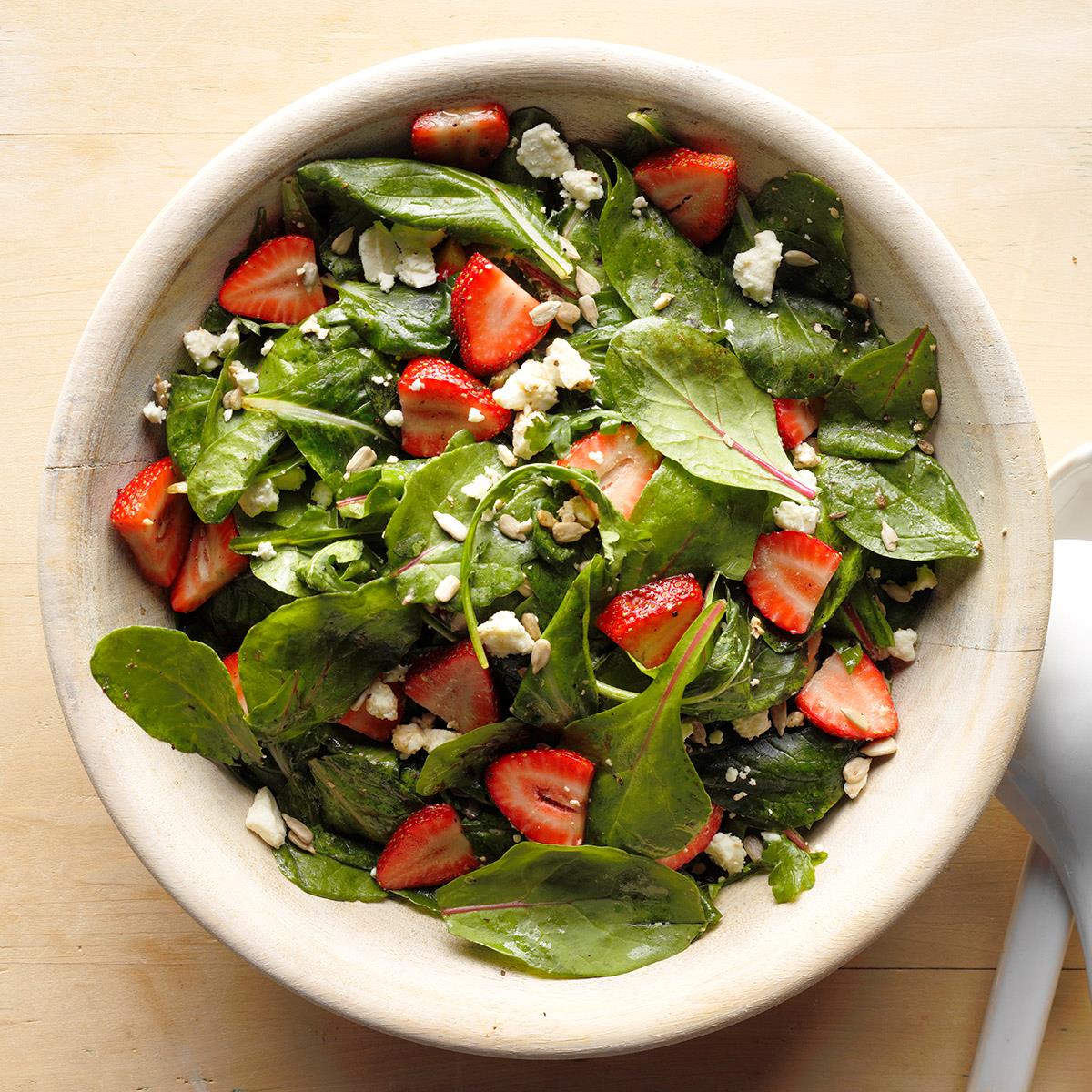
Image result for strawberry saladWhen summer rolls around, pastas are heavy and warm. Leafy greens by themselves might not seem exciting, but there are so many flavours that can be added.
  • Sauce it up - sauce is the trick to any tasty salad. There are the obvious ones like thousand island or ceaser dressing, but you can make your own with a little effort. Olive oil, mustard and lemon juice is cheap, tasty, and the oil will help keep you full. Mayonnaise can be flavoured with ketchup, or garlic, or pepper. For an even easier one, mix hummus with a bit of olive oil.
  • Meat and Dairy (or tofu and beans) - salads can be boring when it's just vegetables. they have a reputation for being paired with flavourless poached chicken. Instead try different cheeses like feta or haloumi. Try crumbed chicken tenders, or salmon. And don't skimp on the nuts - cashews are both flavour and texture!
  • Sweetness - lastly, try sweet additions. strawberries in a salad are divine (mix with feta, cashews, balsamic vinegar and honey). Apples and walnuts go together. Pomegranate seeds add a crunchy texture and a rich taste.

Vegetarian Variety

We have a high dependence on meat to be the stand out star of our meals. Yet, more than two million people are vegetarians. While for many this is a moral or ethical choice, it can also be a benefit to the budget. While it's easy to see a vegetarian diet as a boring one, it forces creativity, especially for those of us who are not so reliant on meat.

When meat is removed from the dish, we're forced to think harder about how to add flavour. Mushrooms and beans are the obvious alternatives, but other stand outs include roast pumpkin, zucchini and eggplant.

You can also draw inspiration from other cultures - lots of Indian and Japanese cuisines are light on meat. Both cultures use large amounts of rice, however the two approaches are markedly different.


If you're struggling to stay inspired, small changes can be some of the better ones - keeping you on an easy routine without letting boredom set in. Once you've tried something new for a while, the old classics will still be waiting for you.


Friday, 23 November 2018

Digging deeper for the junk food failure

For years I've been tracking my spending. It started in my first year of university over a decade ago when I wondered how I could make so much money and still have none left at the end of the week. Back in the day it was a simple notebook where I wrote down everything I spent, and totalled it up at the end of the week. Over the years it has grown bigger, more complex, and thanks to Google Sheets, easier to use. and yet somehow I still can't keep control of the 'miscellaneous' spending category.

Pen and Paper

In early university I wanted to buy an investment property, so I knew I needed to properly track my money in and out. At the beginning, all I did was write down what I spent in a notebook, and tally it up at the end of the week. Then I started recording my income at end of the week, directly next to my expenses. Then I started writing down $50 a week for 'bills' and $50 a week for 'savings'. Each time I had a bill I would deduct it from the saved amount. Then I found that making big luxury purchases was hard to fit into the budget, so I started making a list at the end of each week of things I wanted, and putting $5-$10 aside for them each week.

It was a good starter system, but I couldn't really see what I was spending on over the long term. Was I a booze hound? Did I blow all my money on video games? Should I stop buying books? (never stop buying books...)

Technology revolution

A couple of years ago I graduated to Google Sheets. Now I had 12 months of my expenses in my pocket at all times. Recording my spending was easy with my phone. I never had to worry about my pen running out of ink, my book running out of pages, or explaining to everyone what I was doing.

My spreadsheet has morphed and changed over the years, to a point where I now have 1 tab for each month, with columns for each spending category. Another tab collates all that spending into one easy to see snapshot. Other tabs track money being diverted into spending, and my income - which allows me to pull out spending and saving percentages at the drop of a hat.

This visibility of my money habits has dropped my spending from $46,000 in the 2015/16 financial year, to $42,000 in the 2017/18 financial year. While not a dramatic amount, watching my spending going down, and my lifestyle staying steady (or going up?) despite inflation has been a warm fuzzy feeling of success.

Yet somehow, in all of this I've been completely unable to get a hold on my 'miscellaneous' spending category.

Digging deep for expenses

For about a year I've been ending every month by kicking myself and saying 'stop spending so much on miscellaneous crap! It's your early retirement you're wasting!'. Turns out this isn't the most effective method. A lot of things sneak into this miscellaneous category. Some I can control, some I can't. Things like care packages for my derby team mates when they break limbs, and (very occasional) lunch meetings with my co-workers are things that I agreed to when I signed up for these communities. Some things I know are wasteful (hello Red Wine!) but I love and so I choose to continue spending mindfully. And some things are just plain stupid habits, like $7 coffees every time I'm at the airport...

After utterly failing to control this spending, I did a one year review, and here's what I found:

Books - $99.91, $7.93 a month

I am absolutely okay with this! I re-read books all the time, and since I was a small child I've had my nose glued to the pages. I could get more out of this time / money by reading investing books, personal development and all that other nonsense, but I love the escapism of reading about dragons and magic. (Right now I strongly recommend The Waking Fire: Book One of Draconis Memoria )

Video Games - $46.54, $3.70 a month

This is great. Once upon a time I had a bad habit of buying Steam games that I never played because they were on special. It's nice to see I've properly kicked this habit. All the games I've bought recently have twice as much playtime as dollars spent, which is a great Dollar To Fun ratio.

Alcohol - $382.56, $30.38 a month

This is one where I know I could spend less but I don't want to. The majority of my spending is on Red Wine, and I am super sneaky about it. I buy bulk, mixed packs from places like Virgin Wines, and Qantas. I always wait for a sale, and always get things at significantly reduced prices, generally with bonus frequent flyer points.

I do have long term plans to brew my own beers and ciders, but I'm not sure what the savings will be. It's something I plan to do for fun, rather than financial gain.

Clothes - $52.00, $4.13 a month

I have a confession to make - I hate buying clothes. Nothing fits properly and nothing suits my style. Why are bras so expensive? Why does underwear come in 7 different cuts and what is the different between 'boy leg' and 'full brief''? Why is it so hard to find a comfortable pair of jeans that aren't blue or $100?

The end result of my clothes shopping hatred is a super low bill, clothes that come pre-worn from the thrift shop, and underwear that is a decade old....

Medical - $226.60, $18.00 a month

This is excluding my health insurance, which is $91.61 a month for hospital and extras. $18 a month this year has covered contact lenses, 2 trips to the GP, multiple trips to the physio, and a trip to the dentist. I actually think I should spend more here and take better care of myself.

Comfort food - $785.15, $62.35 per month

What, what, What!!! What madness is this!! I've written before about the Latte Equation and the stupidity of paying $5 for takeaway coffee when you can make your own for barely 50cents (using the expensive milk). I've gone on and on about the virtues of baking your own treats and making your own snacks. And here I am spending almost $60 a month on comfort food, how is this happening!

First of all, December happens. In December all your friends want to go out for dinner. All your coworkers want to go out for lunch. And I want to buy Christmas treats. All of this is expensive. In December alone last year I spent $215 on comfort food.

I'm not too mad about December. I love my family and friends, and we're all pretty quiet throughout the year, so having a month of events is okay by me. What is not okay by me is keeping up this crazy spend throughout the year. I found $50 worth of coffees, $100 worth of pizzas, and over $100 worth of entries just labelled 'Junk Food'.

Alone, each of these entries isn't too offensive. But when over $60 a month is disappearing into this chasm of cheap, lazy snacks, something has to change.

Everything else - $2,059.08, $174.95 a month

Inevitably, when sorting out the miscellaneous column, there will be things that don't deserve their own category. Items left in this everything else category include crafting supplies, that time I paid for parking at the hospital, concert tickets, and odds and ends like replacement charging cables, some rammekins and a pair of scissors. While there is a lot of uncategorised spending here, this is a number I'm happy to live with for now.

Where to from here?

In case my rant and the title of this post didn't give it away, I'm less than thrilled with spending $60 a month on comfort foods - especially when I'm more than capable of baking better tasting things myself. 

I'm a very firm believer that what gets measured gets done, as long as the measuring is accurate. To bring the comfort food spending back to a happy level, I've created a new column in my budget, and allotted $50 a month to snacks, junk food, takeaway and other deliciousness. I'm 'funding' that column with $10 out of my groceries budget, and $40 out of my miscellaneous budget.

I'm under no illusions that this will be properly managed in December. While I believe in controlling my spending, I don't believe in cutting out my friends to do so. When I get invited to Christmas outings, I'm absolutely going to go. Then when January rolls around and everyone is burned out from celebrating and feasting, I'll tackle this in earnest.


Tuesday, 17 October 2017

Miniature Homesteading: I got worms!

I dream of a home in the country, with sprawling green meadows filled with cows. A dog or two sprawled at my feet and hens clucking in the distance while I drink fresh coffee with a dash of today's milk. I picture an orchard with every kind of fruit tree, with my hens running and digging under the trees. I dream of a wide open space where I can walk the dogs for an hour without leaving my own land. In my mind we have our own pond for fishing, and a creek full of frogs that dries up in summer leaving behind a bed of washed pebbles.

But right now I live in the suburbs on a teeny tiny 140m2 block. This doesn't mean I've put my homesteading dreams on hold.
Day one - 50grams of foam, 50grams
of mealworms, and the wheat bran
they were packaged with

I got worms, they're multiplying!

I read an article recently that said mealworms could digest styrofoam and turn it into usable fertiliser. This coincided nicely with realising that I'd love to have quail, but most commercial feeds don't high a high enough percentage of protein so I'd need to supplement their diet.

Of course, considering I already have chickens, getting another kind of poultry on my tiny property is probably a bad idea. Impulsively buying a half dozen quail would have been a bad idea, but impulsively buying a batch of mealworms was great!

Set up and start up costs

Foam is delicious!
Back in September I started with one small five liter container ($3), 50 grams of foam (free) and a double handful of rolled oats ('free' from my pantry). I bought 50 grams of mealworms ($8) and set them loose in their new home. 

I very quickly found myself having foam donated by my zero-waste friends, and discovered the meal worms will eat husks from bird seed and unpopped popcorn. For the first month of feeding I've spent $3 to purchase a back-up bag of oats so they aren't living entirely on foam. I've also started washing foam trays from meat packaging as another free food source.

Turns out 50 grams of mealworms don't eat much, but they grow super quickly. I've already split them into three new containers to prevent overcrowding, and I spotted my first couple of beetles yesterday!

Wait, beetles, I thought they were worms?

Meal worms aren't actually worms, they are the larval stage of Darkling Beetles (Tenebrio molitor specifically, for the latin buffs). After hatching mealworms take about three months to grow to their full size, when they then pupate. Kind of like cocooning,  meal worms become dormant for a few weeks while they transform into beetles. Approximately two weeks after becoming beetles they start laying eggs. Each female Darkling Beetle lays more than 500 eggs in its lifetime. In warm weather this entire process speeds up.

One month in - big fat worms!
So what does this mean in short? I bought 50 grams of meal worms. They've started turning into beetles so in a couple of weeks I will have 50 grams of beetles, which (if I ask google) will be close to 200 beetles. Given six months to complete a full life cycle, my 200 beetles will lay 100,000 eggs leading to (if my maths is right, and 100% of the eggs hatch) close to 25kg of beetles. In one life cycle!

Realistically this won't happen, because meal worms will prevent overpopulation by, well to put it bluntly, cannibalism. And because nature isn't perfect, so there is no way 200 mealworms will all reach adulthood and have 100% success rate their eggs hatching. Oh, and half the beetles are male and they won't lay eggs ;) However since I will be running at least 4 tubs of meal worms, I expect to end up with a couple of kilograms a month.

Cashed up with bugs

Because this is a personal finance blog, it would be remiss of me not to considering the financial benefits of these little guys. 

All the pupae slowly growing
into beetles
I purchased 50 grams of meal worms for $8. If I can find buyers for my meal worms, I can sell roughly a kilogram a month without depleting my stock. Of course, I will be selling them cheaper than a pet store (to encourage people to drive to my house, rather than a convenient pet store) so I expect I could sell a kilogram for $100, or 50 grams for $5.

Outside of the pet food market, there is also the possibility of selling them for fishing bait, or as recyclers for anyone interested in reducing their waste output - what other creature do you know that can break down Styrofoam?

Worst case scenario? I'm out $11 of supplies, plus approximately $3 a quarter for food. In return I receive an endless supply of chicken treats for my girls, high quality fertiliser and creepy crawly entertainment.

Getting rich while I sleep?  

I might not become horribly wealthy selling meal worms. If I'm lucky I'll cultivate enough regular customers to bring in a little extra money each month. While I don't plan to retire on my insect empire, I look forward to knowing that I have an asset growing in a few storage tubs, literally while I sleep.

I recently swore off side-hustles that take hours of my time and return little money, and even less enjoyment. So far my meal worm colonies haven't made a cent, but they have provided plenty of entertainment for me and my cat, grossed out my friends, fertilised my blueberries, and let me be insufferably smug about my ability to recycle polystyrene.

And in the event of a worldwide crisis (read, Zombie Apocalypse), perhaps people will start wanting mealworms for their own dinner. I should probably wean them of the Styrofoam first though.


Friday, 25 August 2017

The Holy Trinity of Financial Success

For most people three primary expenses dominate their expenses - housing, transport and food. 

In my case they take up 37.5%, 0% and 6% of my expenses - in that order. Lower expenses are a key path to Financial Independence, which is why finance bloggers spend so much time talking about food.

By keeping my expenses lower, I'm fast-tracking my path to Financial Independence, and I'm doing it on a pretty cushy lifestyle.

According to MoneySMART our the three biggest expenses at any life stage are Housing, Food and Transport. With the exception of single folks under 35 who are spending a little more on recreation - maybe it all the dating they're doing! Maybe they need some more frugal date ideas like these.


While frugality can be used to target any part of your life, slashing the big expenses will have the best outcomes - and you can do it without compromising your happiness.

Cheap house 

While my housing expenses make up 37.5% of my budget at a whopping $15,000 a year, I also bring in $7,800 a year in 'rent'. I started house shopping before Mr. FIRE and I decided we wanted to live together. I planned to have a room-mate to help offset the costs. 

During the house hunt Mr. FIRE pointed at the maybe he could be my housemate. Since the house (and the mortgage!) are entirely in my name, Mr. FIRE pays me rent. As a result the net expense of my house is only $7,200 a year, or a measly $600 a month.
My house isn't quite this small,
but tiny houses are gorgeous!

This cost includes all the bills, repairs, maintenance and upgrades. 

After crunching the numbers I could have bought a much pricier property (even without Mr. FIRE or another room mate!) but by choosing a smaller (but still super comfortable!) home I slashed my housing costs.

Initially, the plan was to put Mr. FIRE's rent payments directly into my mortgage. With an extra $300 a fortnight, I would have cut my mortgage repayment time in half, and saved $88,000 in interest payments.

Instead, I'm choosing to leverage my mortgage and invest instead. Assuming a 7% return, Mr. FIRE's rent will be worth over $200,000 in fifteen years. I'll still owe $150,000 on my mortgage, but I'll be $50,000 better off. 

While some people might prefer to have no debt, my $200,000 in investments will generate more than my mortgage will be costing - winning! All through choosing a smaller house and getting a 'room mate'.

Cheap food

According to MoneySMART the average young couple are spending $200 a week on food. In contrast, I budget $200 a month and I assume Mr. FIRE spends the same. Hopefully one day I'll convince him to track his spending so I can report this accurately!

While I have a love of frugal foods, baking my own sweets, making homemade snacks, and I have learned some great meat-free dishes to keep the cost down, these fancy tricks aren't the core of why I spend so little.

The main reason my food costs are so low is simple - I cook for myself, and we very rarely go out to eat. In my Epic Food Week post I outlined how I stay on top of my food budget, and keep food waste down.

You can make these are home ridiculously easily!
You just need sauce and cheese. Pineapple is also
a brilliant addition, or sun dried tomatoes.
One of our favourite lazy meals is chicken schnitzels and chips. This is a basic pub meal that normally costs around $18 each. In contrast, we make it at home ourselves for less than $3.50 each. We could do it for even cheaper, but we like to top our schnitzels with sweet chilli sauce and melted cheese, delicious!

Plus we don't have to shout over bad pub music to talk to each other, deal with obnoxious Friday night crowds or find parking. Instead we have cheap delicious food in the comfort of our own home.

If we were to go out once a week for schnitzels (rather than eating at home) we would be spending an extra $15 a week each. This small change is worth $800 a year, or over $11,000 in 10 years. 

Of course, not many people could go out for dinner and only spend $18 each. While $18 meals exist,  it's more common to find meals ranging from $20-$30. Add a beer or wine on top of that and you're looking at another $5-$8. It's not unrealistic to spend $30+ on one meal.

On average Australian's go out to eat 2-3 times a week. By learning to cook delicious food at home and dropping your restaurant trips to once or twice a month you can save almost $300 a month and still enjoy fancy date nights.

With such big savings, it's easy to see why Finance Bloggers talk about food so much!

Cheap transport

The final category in the Holy Trinity of Finances is transport. For most people this means cars. A friend of mine working as a second year teacher has just taken out an $8,000 loan for a new car. In a public school teachers salary this is more than 10% of her pre-tax annual income.

On a 5 year loan, the repayments are $42 a week, which means 4% of her take home pay is taken up by her car loan payments, before she even starts driving.

Add in another $600 a year in insurance, $600 for registration, and $50 a week on petrol, her car is costing almost $6,000 a year. 11% of her take home pay is spent on maintaining a car.

This cost isn't including maintenance, regular services, road trips, and any other little expenses that crop up along the way. I don't say this to shame her, this is the normal way that most people manage their transport.

When couples move in together, they tend to both bring a car to the relationship - as Mr. FIRE and I did. However, after living together for four months, my car looked like this:


I haven't owned a car in two and a half years, I just ride a bike everywhere instead. When Mr FIRE and I moved in together I bought a property that was half an hour ride from work, and fifteen minutes from roller derby training. On occasion I need to go further afield, and either I borrow Mr. FIRE's car or get a lift with a friend.

Over two and a half years, my transport costs look something like this:

  • First Bike : $600
  • Bike accessories : $300 (lights, panniers and a rack)
  • Second bike : $550 (Some jerk stole my bike!)
  • Replacement bike accessories : $150
  • Replacement bike lights ($100 - seriously, my lights were stolen a month after I bought them)
  • Bike service : $80
  • Various at home maintenance parts : $100
  • Total : $1880 in two and a half years - $14 a week

Biking everywhere costs me $14 a week. If my bike hadn't been stolen, it would be a measly $10 a week. In contrast my teacher-friend with her $8,000 car loan is spending ten times as much, at $115 a week!

Let's consider this cost over ten years. Assuming that I have to replace my bike every 3 years for whatever reasons (thieves are the worst!) I'll continue spending $14 a week. In ten years, I'll spend $7,280.

In the same time frame, assuming that my friend replaces her car in five years, and therefore her payments remain constant, she will spend $59,800!!

Considered another way - I save $100 a week compared to her, if I invest this savings, I'll have $75,000 in ten years.

Spend less, cycle more, retire early to cheese and wine!
Or considered yet another way, I like to look at how much I need invested to cover the cost with passive income. To cover the $14 a week cost of owning a bike, I need to invest $18,200. However to cover the $115 a week of car ownership, I would need to invest almost $150,000!

The Holy Trinity of Financial Success

Put together, food, housing and transport form the three biggest expense of our lives. Following the normal path you can easily spend $40,000 a year on these three main expenses. With a few lifestyle changes like a smaller home with a roommate, cooking great food at home (maybe even eating some meatless meals)  and swapping out car trips for walking, or riding, you can save thousands of dollars a year.

Plus, with a smaller house, there is less to clean.


Tuesday, 22 August 2017

Budget Reboot Challenge: Eating Meat

Hello Budget Reboot, have you tried turning it off and on again?

Money saving posts are always the same - stop doing this, stop buying that, stop having any fun and live a sad deprived life while watching the numbers in your bank account tick up and up. Of course, they don't frame it that way, but when someone asks you to give up something you love in the name of money, we get pretty defensive.

Instead of 'giving up' let's try something new. Hit the refresh button on your spending habits with this Budget Reboot Challenge.

This month's challenge: Eating Meat.


Let's start with a simple assertion: Steak is delicious. Bacon is delicious. I think people are designed to eat meat and it tastes amazing - this post isn't going to try and convert you to a meat free lifestyle.

But what about a meat free meal. Just a couple of times a week.

Meat versus alternative proteins - in dollars

At my local supermarket I can buy chicken breasts for $9 a kilo. I can buy cheap casserole steak for $12 a kilo, or delicious marinated Kangaroo steak for $32.70 a kilo.

Or I can pick up a tin of mixed beans for $1.88 a kilo. I can buy a dozen eggs for $3, or collect them from my back yard for next to nothing. There are also an amazing variety of cheeses to choose from, as well as tofu, nuts, milk, yoghurt, mushrooms and other protein heavy vegetables. If you plan it well, you can get just as much protein from a meat free meal, for a fraction of the cost.


I'm not eating salad!

Okay, cool, that's fair - salads aren't for everyone, although a Lentil, Roast Carrot and Feta salad is divine. There are plenty of meat free meals you can take out for a spin that aren't salads.

Soup

A FIRE household favourite is a simple pumpkin soup. Made with butternut pumpkin, sweet potato, carrots, coconut milk and a little Thai curry paste, it's the only vegetarian meal Mr. FIRE actively begs me to make. You need a kilo of pumpkin, a kilo of sweet potato, and 500g of carrots. Peel and cube the whole lot and toss it in a giant soup pot with 2 tablespoons of Thai curry paste and a litre of chicken stock. Simmer for an hour, then blend and add 2 cans of coconut milk. It's one of the easiest vegetarian dishes I know, and costs less than $1 a serve.

Eggs

Another option is to have breakfast for dinner. Inspired by Adventures With Poopsie I've been having eggs on hash browns for dinner while Mr. FIRE is away for work. You can buy the hash browns frozen, or make your own.

To make your own hash browns you need:
  • Two medium potatoes
  • A small handful of grated cheese
  • A pinch of chives
  • A dash of salt and pepper
Peel the potatoes and grate them onto a plate. Zap the grated potato in the microwave for 2 minutes, then dump it into a mixing bowl. Stir in chives, cheese, salt and pepper. Dump the whole lot in a hot frying pan and press flat - the flatter it is, the better it cooks. 

Hash browns take 5-10 minutes to cook through, so keep an eye on them and start cooking the eggs when you think they're done. The extra couple of minutes on the hashbrowns is important to make them extra crispy. Then enjoy delicious, easy dinner for about $1.50.


Beans and rice

Finally, I need to mention the Frugalwoods Rice and Beans recipe. At first I thought this would be sad and dull, but worth it as an occasional ultra frugal meal. I was wrong, this is one of the most delicious meals in my lunch rotation for less than a dollar a serve.

Give it a whirl, you won't regret it!

Cheap, delicious options

There are hundreds of ways to eat a meatless meal. The ones I've listed above are just the super easy options. Each meal listed above costs around $1 a serve. In contrast, a single pork loin chop would cost me $3.50, plus the costs of sides.

A single meatless meal is $4 cheaper than a meat based one. Having a single meatless meal each week will save you $208 a year, invested that $4 is worth $3,000 over ten years. For another way to look at cost, you would need to invest $5,200 to have a passive income of $4 a week to pay for that steak.

Turn it off and on again: Expensive meat based meals

The point of the Budget Reboot Challenge isn't to force you to change your ways, but to commit to something for a set period and see what it's really like. Turn off eating meat for every meal, and at the end of your commitment, ask yourself if you really need to add it back in again?

You can urn off eating meat in a variety of ways: commit to meatless Mondays for a month. or perhaps not eating meat for a full week. Maybe you're only going to commit to learning one meat free recipe. Pick something you can handle and make a commitment to yourself.

I, LadyFIRE, commit to finding a meatless meal that Mr. FIRE will enjoy.

I know that doesn't sound like much, but you haven't met Mr. FIRE. It's going to be a challenge!

At the end of the month, turn it on again: This is the fun part. After the end of your commitment, you're free! You can eat as much meat as you want, but first I need you to do a status check for me.

Did you enjoy your meatless meals? Maybe you could cook them more often?
Did you save money? How much?
Did you really feel like you were missing out? Did those meatless meals leave you hangry or were they actually pretty satisfying. Maybe you could keep going with it?


Friday, 28 July 2017

Epic Food Week: Perpetual Food Plan

Food. For many Australians it accounts for the second or third biggest chunk out of their budget, after housing and/or transport. Poor food choices are also leading to an increase of “lifestyle” diseases, such as Type II diabetes and heart disease. Four Australian personal finance bloggers (Adventures with Poopsie, All About Balance, Enough Time To... and yours truly) decided to get together and offer an in-depth look at how we all “do” food in our households. It doesn’t matter whether you like to plan or just wing it, whether you have gourmet tastes or enjoy simple food, or whether you love or hate cooking; we’re sure you’ll find some tips and tricks to eat healthier and find ways to save.

Food in the FIRE household

This was actually chilli
cheese fries, very heavy
on the cheese!
Eating well on the cheap is always a problem for Mr. FIRE and I because, well... he's difficult. Mr. FIRE refuses to eat vegetarian, he's not a fan of beans, and he can't be trusted not to bring home chocolate, chips, expensive cheese... you get the idea. He also has a tendency to order pizza if I leave him home alone, or eat the wrong leftovers.

Surprisingly though, food isn't a sore point in our house. We are happy to eat pretty simple foods, we don't stress too much about variety, and we've figured out how to eat some tasty comfort food on the cheap. 

The biggest challenges we hit are preventing food waste, and making sure we have enough easy meals for lunches and roller derby nights. We tend to cook bulk meals, and take leftovers for lunches and roller derby nights when I don't have time to cook before running out of the house.

Perpetual Meal 'Planning'

Firstly, we don't meal plan in this house. Setting specific rules for what we eat Monday, Tuesday and Wednesday always leads to us getting to Friday and really not wanting what we have planned. Instead we do what I am coining as 'perpetual meal planning' which is an ingredient based planning system.

Mr FIRE makes pizza!
This is why I love him
For ingredient based planning we rely heavily on Evernote as a recipe book. Mr. FIRE and I look up recipes whenever we want to try something new and save them to an Evernote notebook. This makes them easy to find later, but also gives us the ability to search by ingredient - which is the cornerstone of ingredient based planning.

The best way to explain this is with an example - Celery. Can we all take a moment to agree that celery is the most annoying food item out there. Every recipe I have calls for two or three sticks of celery, but you can't buy less than half a celery which way more than I actually need.

One of my favourite cheap easy dishes is Cajun Chicken Jambalaya (I'll put the recipe at the end of this post). Depending on your serving size and ingredients it comes down to $1.00 - $1.50 per serve and it's super tasty. However, it only calls for two sticks of celery, which means I end up with half a celery in my fridge going to waste unless I follow a perpetual meal plan.

With Evernote this becomes super simple, because I type in 'Celery' as a search item and recieve a list of recipes so I can use up my celery.


This becomes the list of what I am making this week. I'm a huge fan of this method because it reduces waste, gives me an easy list of meals to cook and saves me from actually thinking. Lazy meal planning is the best.

This becomes a perpetual meal plan for two reasons. Firstly, there will be something left over after I make all these recipes - for example Chicken Soup is on the list, and it requires one leek. Everywhere I shop for leeks they are sold in pairs so leek becomes the next ingredient. Secondly, we stock our Evernote recipe list with things that result in lots of leftovers. One celery normally results in four recipes, which results in twenty to thirty meals. By cooking four times, I feed us for two weeks of lunches and dinners.

Tracking leftovers

Managing leftovers is an important part of meal not-planning. When Mr. FIRE and I first moved out together we would often dig something out the back of the freezer and have no idea what it was or how long it had been there. The chickens ate well those days.

Hawaiian Chicken
Delicious! but not a cheap meal
Saturdays I do a leftovers check and work out what we'll be eating the next week. Generally we need fourteen things to get through the week - five lunches each, plus dinners on the nights I have roller derby. If we are running short we have a few tricks before we panic.

Firstly, lunches are an easy change. If we're short of leftovers then I don't take leftovers for lunches and simply buy sandwich supplies instead.

On the (very rare) occasions that we have more leftover than we need, I turn again to my trusty ingredient based, perpetual meal plan. If I have a leftover leek, then I can use it to make Irish Stew or Potato and Leek soup. The stew is great for also using up leftover carrots, but the soup is easy because it contains very few ingredients. If I'm in a place where I have too many leftovers, I pick the recipe that will use up my ingredients and leave me with as few perishable items as possible.

While I call it the perpetual meal plan, it's important for it to stop at some point otherwise you end up with far, far too many left overs and not enough time to eat them all. Admittedly, this is great because it gives us a week off cooking and still plenty of options to choose from.

Sometimes we will be very very short of leftovers. Generally after having too many and taking time off cooking, oops. If we are very short of leftovers, then I plan to cook something big the next night, which leads in to the next important consideration for food - shopping.

How we shop

Here's a trick that keeps our food costs down. Mr. FIRE and I hate shopping. We make snarky comments about sales items, laugh behind our hands at people buying bottled water and we hate slow walkers. We're those people. We get in, we get out and we don't meander or get distracted by shiny things.

Unless choc mint biscuits are two-for-one. We all have our Achilles heel, that one is mine.

To keep track of what we need, we use Evernote (are you sensing a pattern here?). Evernote is a shared document system, so we can update it on our phones are any time, and if once of us goes and buys bread we can take it off the list before the other person buys a second loaf.

Our list is split into three sections - Markets, Butcher and Supermarket. Mr. FIRE is responsible for the butcher and goes once or twice a week. I go to the markets 2-3 times a week for fruit and vegetables. We both swing by the supermarket as needed, generally after visiting the butcher or the market. We have no set shopping routine, we just head out to the shops whenever we need something.

Unlike Mrs. ETT and Adventures With Poopsie we don't shop at Aldi, we watch for specials at Coles and Woolworths, but generally we just head to the closer store. There are two reasons for this - firstly we don't do a bulk weekly shop and secondly we don't have an Aldi nearby. We pick our supermarket by convenience.

Homemade beef and black bean
burgers. I made the buns myself
so these were pretty cheap.
After investigating Mrs. ETT's shopping list I don't feel like we would benefit greatly by switching to Aldi. Shopping at the markets means that my fruit and vegetables are significantly cheaper than shopping at supermarkets, especially because I buy the ugly fruit and vegetables, which is often heavily marked down. The prices I pay are similar or better than those Mrs. ETT is paying at Aldi. Yay for markets!

While conventional wisdom is to do a big weekly shop to avoid impulse buying we have a different method. As I mentioned, we both hate shopping, but on top of that Mr. FIRE has minimal cooking skills (past making brilliant pizza) so he doesn't bring home anything he doesn't understand. I occasionally impulse buy vegetables, but I ride a bicycle to the shops. While I'm tempted to buy things, I always have to weigh up (literally!) if I could get it home on the back of my bike.

Managing costs

Finally the question becomes how do we keep our costs down week to week with such a haphazard system? No prizes for guessing this one, we use Evernote (and google docs). I track our spending through google docs and when our spending is low we eat whatever we want. When our spending starts to creep up, I pull out Evernote and I search recipes by cost.


I have tagged a bunch of our cheaper recipes with prices per serve - if our spending is looks like it will go over for the month then I search by price and pick out a recipe that we already have ingredients for around the house. Unsurprisingly, the 'Under One Dollar' search turns up a lot of soups.

We have one magic recipe that doesn't sit in our recipe book called 'Pasta Bake'. Pasta Bake is made from:

  • 500g of pasta ($1.80)
  • 1 tin of diced tomatoes ($1.60)
  • a jar of pasta sauce ($1.50, always stock up when they're on special)
  • 500g of beef mince ($4), or 500g of diced chicken ($5)
  • 500g of pureed beans ($1)
  • whatever veg you have lying around the house or can buy on super special - I recommend zuchinnis, onion, carrot, eggplant - ($3 - $4)
  • Top everything with a massive handful of cheese - ($2.50)
Cook the pasta in one pot, and everything else (except cheese) in another. When the pasta is done pour it into your biggest baking dish. Top with sauce, stirring as needed. Then top with cheese. Bake in the over for 20 minutes. Enjoy for days.

Pasta bake works out to less than $2 a serve and uses up all the sad leftover vegetables. It also seems to turn into a perpetual pasta sauce situation where I make far more sauce than I could ever possibly use. That sauce gets tossed in the freezer and next time I make pasta sauce I use the old sauce as a base for the new one.

Getting even cheaper - meatless lunches for me. 

Remember how I said Mr. FIRE won't eat vegetarian meals? Yepp, it's super annoying. I bulk out mince with grated carrot, zucchini and beans, but he gives me the stink eye when he sees me doing it. 

Sweet potato nacho
bake thingy... delicious, but
very weird.
One on hand, my kitchen my rules. On the other hand, I like Mr. FIRE and I try not to deliberately antagonise him. To balance out my desire for a super cheap grocery bill with Mr. FIRE's desire for meat, I occasionally cook us separate meals for our work lunches. 

Mr. FIRE has a very simple go-to meal - 2 chicken breasts, rice and frozen vegetables. I flavour the chicken in whatever seems like a good idea at the time (Lemon Herb, Honey Soy, Sweet Chilli, etc.) and split it out to five meals. Mr FIRE's lunches are under $10 for a week, but he says they don't entirely fill him up so we round it out with some baked treats.

This means I can cook myself my absolute favourite vegan lunch with mushrooms! Mr. FIRE is allergic so I have to cook this while he's out of the house. I got the recipe from the Frugalwoods, a simple delicious beans and rice recipe that is really filling and under $1 a serve.

The take away

This has been a big post, so let me do a quick wrap up.

Meal 'planning' tricks

- Cook things that create leftovers
- Plan based around an ingredient
- Keep track of what leftovers you have available

Shopping tricks

- Shop as quickly as possible
- Always have a list
- Don't take the car, the less you can carry the less you can buy

Keeping costs down

- Categorise your recipes so you can find the cheap ones easily
- Have some cheap go-to options
- Eat the occasional vegetarian meal. You'll survive, it might be delicious.

More Food!

Want to know how other Aussies are eating cheap while chasing the financial independence dream? As part of Epic Food week there are three other excellent posts your can peruse in case the Perpetual Food Plan doesn't tickle your fancy.
  • Enough Time To... is a solid meal planner, and she provides a list of all her plans for this week, plus a copy of the receipt so you know exactly what it cost.
  • Adventures with Poopsie also makes solid meal plans. She kept track of their household eating and shopping for for a month in preparation for her post. You've got to admire that dedication!
  • All About Balance is even more relaxed than me about planning. As a foodie she knows how to mix flavours and get a healthy balanced of meats, veggies and grains. Check out her post for a balanced approach to food.

Cajun Jambalaya Recipe

Ingredients

  • 1 chicken breast (approx 300g)
  • 2 ham steaks
  • 1 brown onion
  • 2 celery sticks
  • 1 green capsicum
  • 2 cups rice (uncooked)
  • 1-2 tablespoons cajun spice mix
  • 3 cups of chicken stock (hot)
  • 1/3 cup of tomato paste
  • Cooking oil

Method


  1. Preheat oven to 180degrees. 
  2. Dice chicken and ham steaks, then brown in frying pan with cooking oil of your choice.
  3. Dice celery, capsicum and onion.
  4. Place all ingredients in a large baking tray and cover with alfoil
  5. Bake until rice is cooked through (approx 45minutes)
Done - it's super easy and super tasty. You can serve with fresh tomato and sour cream if you want but I've never bothered because I'm lazy.

Use up the rest of the celery with a basic chicken noodle soup, minestrone soup and a chicken chow mein. Aim to end up with six servings of each recipe so you can take advantage of delicious leftovers.


Friday, 23 June 2017

Frugal Fooding

Have you ever tried being an adult? It's a truly terrible idea and I recommend that you stay a teenager for as long as possible. It's great to know everything!

But one horrible day you'll realise that you sort of need to adult. Generally when you realise that if you don't organise dinner, no one else will do it for you.

When I first moved out of home the part of my budget I felt the most unprepared for was the groceries. I'd lived alone for a week or two before, either while my parents were on holidays of when I was housesitting. I'd made food. I'd done some token grocery shopping.

What I hadn't done was be consistently responsible for stocking my fridge for weeks on end, and making sure I ate a healthy balanced diet. But thankfully it seems I obey most of the rules placed down by the internet food and finance gurus.

How to feed yourself

Kick the coffee habit

Take a breath, sip your latte and try not to lynch me. I'm not going to tell you to give up caffeine. That would be madness, society would collapse and we'd all revert back to living in caves because we just couldn't function. But, do you need to get a fancy coffee from that expensive café down the road from work every day? I used to buy a coffee every time I left the house. I've gone through various loyalty programs, love affairs with flavoured coffees and walked an extra 5 minutes to flirt with the nice barista.

The cafés within walking distance of my workplace charge between $3 and $5 for a coffee. In some cases they charge more, but $5 is the most I'm willing to pay. When I was getting a coffee almost every day, I was spending roughly $20 p/week on coffee. Here's some cheaper choices:
  • Instant coffee - it tastes like mud, but it comes with caffeine
  • Buy a coffee machine - a cheap one can cost less than $50. I get coffee beans for $14 for 500g that generally lasts 2 or 3 weeks at least 3 coffees a day. You'll need to pick up a travel mug for five or ten dollars. There is a bit of initial outlay, but after six weeks you'll be ahead and paying cents for coffee, rather than dollars. And if you make it yourself, it'll probably taste better.
See how that list doesn't include pod coffee? That stuff is the devil. It doesn't taste much better than instant, it's ridiculously overpriced, and the amount of rubbish created makes me physically ill. Avoid it like the plague that it is.

Eat less meat

Probably not a popular or exciting suggestion, and one I struggle to get past my boyfriend but meat is the most expensive part of your grocery bill. Unless you are buying nasty pre-packaged frozen meals. Be honest, they taste like cardboard and cost twice as much. Step away.

I try to keep my meat bill as low as possible, with most of the magic tricks the internet suggests. These ideas are great, because not only do you save money, but they actually make your food taste better.
  • Mince and veg. - whatever kind of mince you buy and whatever you intend to use it for it will taste better with vegetables. My two favourite uses for mince would be burgers and pasta. Buy half that mince you normally would, toss it in the blender with onion, capsicum, carrots, onion, garlic and blend until it's one smooth and delicious. Add herbs if you're feeling inventive. If you are making burgers you probably want to toss in a couple of loaves of stale or toasted bread, and viola. Cheap, delicious and healthier than plain mince.
  • Buy direct from the butcher - Every time products change hands, you pay more. If the supermarket buys from the butcher who buys from the farmer, you are paying all of their price hikes. Buying from the butcher is cheaper. Buying from a store connected to the processing factory is even better.
  • Beans. Draw some inspiration from vegetarians and get your protein from beans. You can completely replace the meat in pasta recipes with beans, or you can mix meat with beans. Chicken and red lentils go really well in a cheese sauce pasta.
  • Meatless Mondays - I think this is a great idea for coming up with more inventive ways to eat fruit and veg. My boyfriend thinks it's a terrible idea. Three years down and we still don't do meatless Mondays. Unless I just don't tell him ;)

Buy in bulk

I know this is a hard thing to start doing when you are on a shoestring budget but rice, flour, dry beans and toilet paper can be bought in 3 month supplies. I bought 90kg of kitty litter back in February and I'm only half way through it. Buying in bulk is always cheaper, you save yourself the trouble of buying more every week and less packing is environmentally friendly. Assuming you have somewhere to put 5kg of rice. I currently have 10 kg in my pantry. I pray every day that I don't get mice or pantry moths.

Don't pay for packaging

This follows on from buying in bulk. If you buy 5kgs of rice, you pay for one big bag. If you buy 1kg you pay for five small bags. Paying for packaging is just another one of paying for garbage.

Paying for packaging of rice or flour makes sense though. You can't exactly hold it in your hands, and most supermarkets frown on your pouring things into your own Tupperware containers, unless you live in Berlin.


Supermarkets are designed for convenience though. They like to sucker you in with things in shiny packages and cheerful stickers. Loose mushrooms consistently sell for $10 p/kg. Or you can buy them packaged and sliced from the shelf above, for $18 p/kg. An extra $8 a kilo! That entire mark-up is for the foam tray, the shrink wrap plastic (garbage and garbage) and for a machine slicing up your mushrooms. Buy a knife, sheesh.

Don't impulse buy

This is hard for me, and will probably be worse when I move out. But make plans of what you need to buy, and buy those things. Every time I have bought something because "That's great, I need that!" it generally goes to waste. Food rots, and things gather dust. I try to look at things three or four times before I buy them. Foods I balance up how many uses I have for it, versus how long it takes to rot.

Things in a supermarket are intentionally inconveniently placed to make you run back and forth. The idea is that you will either A. walk down every aisle to make sure you don't miss anything, or B. find yourself constantly doubling back because you looked for honey in baking goods, but actually it's located with the spreads. Supermarkets do this on purpose to make you spend more time there. More time spent means you are more likely to grab crap you don't need.

The concept of shopping the perimeter of a supermarket is a little shaky. Most of what you need is there, but you also need to duck into the aisles to pick up pasta, flour, toiletries, jam, vegemite, etc. Still, it is a good recommendation that most of what you grab should come from the bakery, deli and fruit and veg section. Personally I just avoid the chips, chocolate and coke aisle. That is where the big expensive impulse buys are for me, and generally I don't enjoy it anyway. I can spend $5+ on coke and a chocolate bar, or I can buy more bacon. Simple choice really.

Meal plan the weird things

Another massive pain for cooking is things like celery. Look at every single recipe you have the needs celery and I doubt you'll find one that needs more than 2 - 3 sticks of celery. But you can't buy celery in such small amounts (unless you want to pay some of the craziest mark-ups). 

Instead do things like meal plan around celery. If you're going to buy half a celery, you can make minestrone soup, jambalaya, chow mein and chicken noodle soup (great for winter!). With just one ingredient you can make the plans to feed yourself for 2 - 3 weeks, significantly cutting down on food waste and on your brain drain.

Sale Sale Sale!

Things should always be bought on sale. Avoid the brands that you actively dislike, but if you need to buy pasta packets buy the brand that is on sale. Actually I love dry pasta packets (milk + microwave + frozen veg = meal) because they are almost always on sale and if they aren't on sale, I don't buy them.

This goes double for making snacks, and triple for making muffins. Choc chips should cost me $4.20 a packet, but last time I made muffins they were 2 for $6, which is a huge saving for my hip pocket.

Grow your own food

I was collecting this many tomatoes every
week for 3 months
Last year I got over 5 kgs of tomatoes off one tomato vine that I grew accidentally in the chicken pen. I assume they had missed a seed when they were eating the tomato scraps. I haven't bought eggs in six years because I have pet chickens, that cost less than $15 a month to feed, and clean up all my kitchen scraps.

I have a silver beet plant that I woefully neglect, yet is always bursting out of the pot. My raspberry cane looked dead for over a year, and now produces fruit from December through to April. I grew beans over winter to attempt to revive the soil and nearly drowned in them. As a conservative guess I would say we went through 10kg in 3 months.

Right now we're heading into winter and my entire garden is overwhelmed with a wild cherry tomato vine. I go out every couple of weeks, lift 6 foot vines off the ground and drape them over the trellis and harvest what I can. The ground under the vine is absolutely covered in tomatoes that have fallen off the vine so I'm confident that next year we'll have another crop. Salsa anyone?

Eat leftovers!

I dated a guy once who wouldn't eat leftovers. I remember thinking "This bites, when we live together we are going to waste so much food. And we'll have to cook every night. Ugh". I did one better than cooking every night, I went and got a better boyfriend! Mr. FIRE is just as much of a fan of leftovers as I am.

Leftovers have got to be the best tasting food on this planet. Mostly because you don't actually have to cook them. Any pre-prepared food that takes a few minutes in the microwave/frying-pan/oven is my favourite. Especially in winter when my diet is mostly comprised of soup, stew and pasta.\

Avoid take-out like the plague, because it will kill you

I am quite proud of my take-out track record. I haven't visited a Hungry Jacks, KFC or McDonalds in 5 years. I don't miss it. I worked in fast food for five years, I'm happy to say that. It might be convenient, but it never really filled me up. It's addictive toxic junk that can kill you.

Nowadays I walk past and the smell makes my mouth water, but then I think about biting into that cheap nasty offal thrown together by a greasy teenager and I feel a little sick. I can actually tell you the exact last time I ate fast food from one of the big chains - late 2012 I needed a quick snack before the try-outs for roller derby. I skipped half of the practice test puking my guts up, but thankfully I still passed the real test!

Of course when I say avoid take-out like the plague, I am only referring to the cheap stuff. I still enjoy having someone else cook for me. I love trying out boutique burger stores (You should try Burger Foundry, they are a-mazing) and I'll happily eat pizza and Chinese. Occasionally. We can make much better pizza than that at home for a third of the price, and I get to hang in the kitchen with my boyfriend.


Before I moved out I had a bad habit of eating single-lady food. I once had grilled onion, tomato and capsicum on muffins for dinner three nights in a row. I ate way too many eggs and I was super reliant on pasta packets.

After three years of being the main food cooker (Mr. FIRE does all the cleaning, and sometimes he makes pizza) I feel like I have this food gig down. I make tortillas and salad dressings from scratch. I once threw together a ceaser salad from scratch (including the dressing) just from things in my cupboard / fridge without looking at a recipe. I've learned to keep 'panic' food in the house (frozen sausages and dried pasta anyone?) but I generally have a safe supply of pre-cooked delicious things.

I very rarely panic that there is no food in the house. But I'm still getting real tired of being a proper adult. Who wants to cook me dinner?


Tuesday, 20 June 2017

Bake yourself rich

There's currently a list on my whiteboard that reads like a dieters bad dream. White choc blueberry, Triple choc, Apple cinnamon, Banana Coffee, White choc passionfruit... These are all the muffins I am making or have made with my fancy new silicon bakeware.

Oh, and I'm getting rich doing it.

The cost of a muffin

Muffins pretty much fall into a big fat no go zone for me. The main place I see them in cafes in those little glass cabinets. They sit they looking all soft and delicious while I'm trying to grab a (rare) latte and run. I know buying lattes out is a terrible idea when I could make them at home for a fraction of the cost so I'm also suffering spending guilt, and then there are these muffins tempting me.

There are two things horribly horribly wrong with these cafe muffins - price and disappointment.

Have you ever bitten into a muffin to find that it's dry and kind of powdery? Muffins that stick to the top of your mouth? I'm not sure if these are old muffins or just poorly baked, but when you're excited to bite into a great muffin and then it's dry and sad it's heartbreaking.

This is my normal experience for buying muffins in stores (maybe I need to shop in better places?). The biggest kick in the guts though is when you pay $5 - $6 for these sad dry disappointments. Generally they're pretty big muffins which makes me feel like they could almost replace a meal, but I don't think I've ever enjoyed eating one, and for that price I want some happiness from my muffins.

Muffin wealth

So, time to get rich on muffins! I have two basic muffin recipes that I use, a sweet recipe and a savoury recipe. My basic sweet recipe costs me $2.50 for 12 muffins, my savoury recipe is a little cheaper around $2.15, but since I generally stack it full of cheese the price goes up quickly, haha.

Before adding delicious fillers to my muffins, I'm looking at muffins that are a teeny tiny 4% of the price of a cafe muffin. Let's be generous and say cafe muffins are double the size of mine, so I'm making muffins at 8% of the cost.

But of course, I don't want boring bland muffins. I want to make delicious amazing muffins! This weekend I made savoury muffins with zuchinni, tomato, cheese and salami and sweet raspberry and white chocolate muffins. Take a guess what that cost me? The savoury filling cost a little over a dollar, and the sweet filling? A mere $1 for the chocolate, and 50c for the raspberries. Grand total for two batches of muffins?  $7.50 for 24 muffins. 

A grand total of 30 cents each. The sweet muffins make a delicious late night snack with a hot chocolate. Two of the savoury muffins makes a great afternoon tea.

Muffin maths

Because this is a personal finance blog, I always have to look at the maths. My homemade muffins are 30c a piece, but let's say they're half the size of a cafe muffin (for generosity sake) - so for 60 cents I can make something that sells in stores for $5. I wish I was on selling these muffins, but I'm simply cutting out one expense for another (much smaller one).

Swapping one muffin for another saves me $4.40 in a day. But I have late night snacks and morning tea 5 days a week, so I'm actually swapping out 10 muffins a week - if I bought them in a cafe my little muffins would cost me $50, made at home I save $44.00 a week. And that's just my half, Mr. FIRE is eating these too, so as a household we save $88.00 a week, $4,500 a year. On muffins! (tweet that!)

I'm also ridiculously lazy so you'll note that this calculation doesn't include any kind of muffin pans. Because I bought silicon bake ware. This stuff is possibly the greatest thing I've ever bought. I used to spend half an hour gouging muffins out of dodgy old metal pans and losing half the muffin as I did it. Or if I by some miracle hadn't forgotten to buy patty pans the mix would still rise over and stick to the tray.

At this rate if I bake a batch of muffins every week I'll make my money back. Not the greatest financial investment I've ever made, but a great investment in my time and sanity.

Baking benefits - it's cold over here!

There is one more cost to making muffins though - the electricity bill for while the oven is on. I have a very old dodgy oven with a poor seal that leaks a lot of heat and it cost me *drum roll everyone* 20c for the hour. We have a smart meter that shows us exactly how much power is used every hour and the hours that the oven was on we used just under 20cents.

It was great because it was freezing cold on the weekend, but I was dancing around the kitchen barefoot in a t-shirt. I bulk baked a variety of snacks (mostly muffins!) and cooked chicken for Mr. FIREs lunches all while watching television. It was warm, my belly is full and I'm richer for it.


A quick 2023 check-in

I have been away for a tumultuous 12 months. I made a lot of changes. I changed career, I removed my birth control, and I very nearly ended...